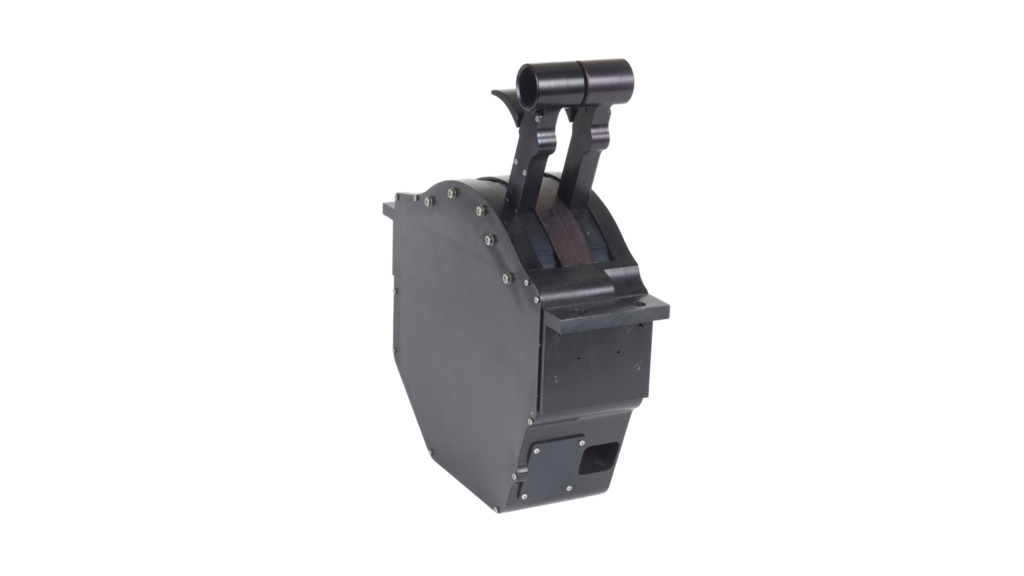
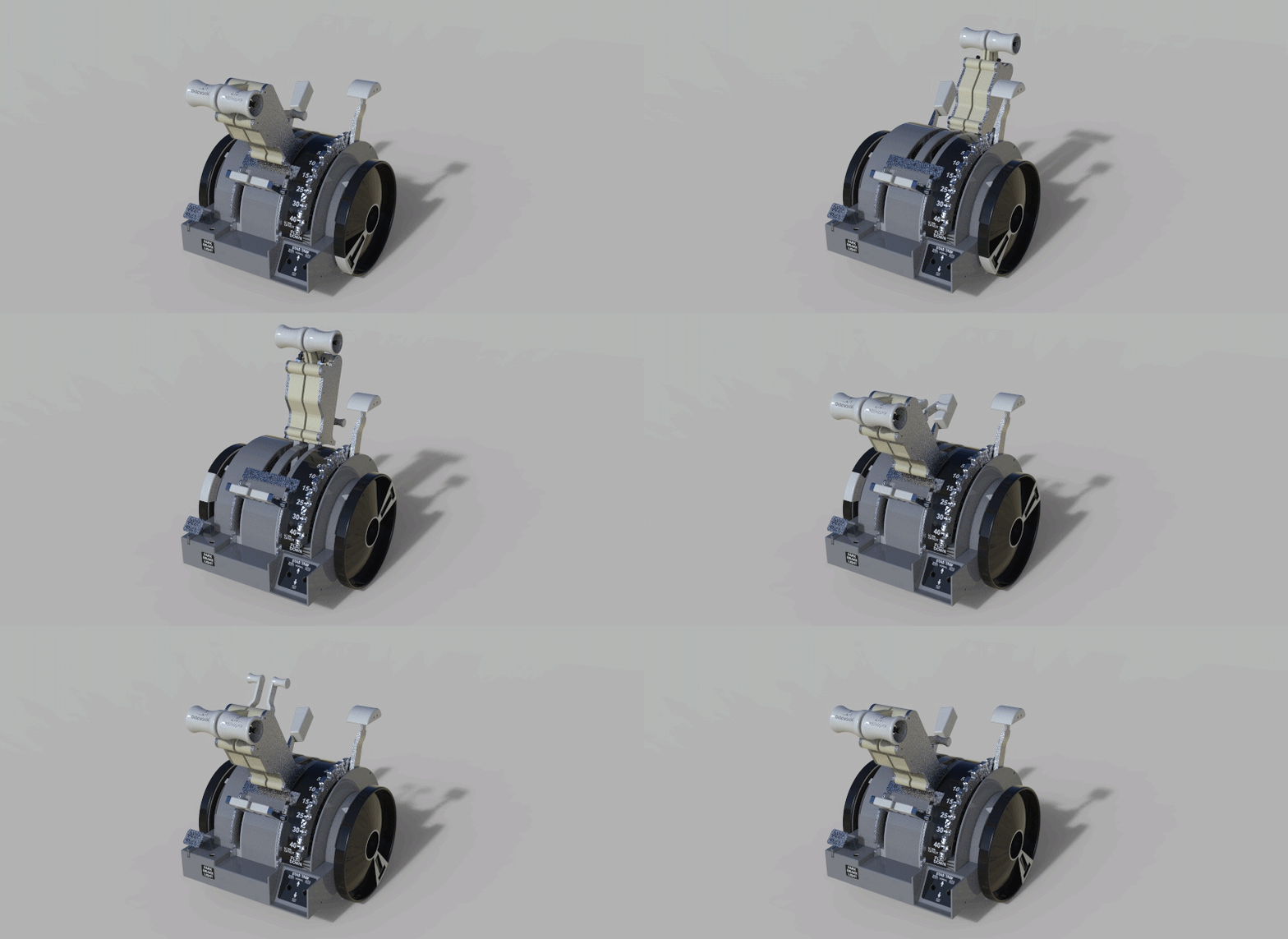
The "throttle" in an aircraft is a control device used by the pilot to manage the engine's power output. By adjusting the amount of fuel and air entering the engine, the throttle changes the engine's thrust or power, thereby controlling the speed and altitude of the aircraft.
How the Throttle Works
Engine Power Control: The throttle allows the pilot to regulate the amount of fuel entering the engine. Increasing the throttle adds more fuel, which increases the engine's power and accelerates the aircraft. Conversely, reducing the throttle decreases the engine's power, slowing the aircraft down.
Jet and Piston Engines: In jet aircraft, the throttle adjusts the airflow and fuel mixture for the turbine. In piston-engine aircraft, the throttle directly controls the amount of fuel and air entering the cylinders.
Speed and Altitude Control: The pilot uses the throttle to adjust the aircraft's speed during takeoff, climbing, cruising, and landing. For example, during takeoff, the pilot pushes the throttle forward to operate the engine at full power.
Quick Response: The throttle enables the pilot to quickly respond to changes in flight conditions, such as turbulence or the need to change altitude.