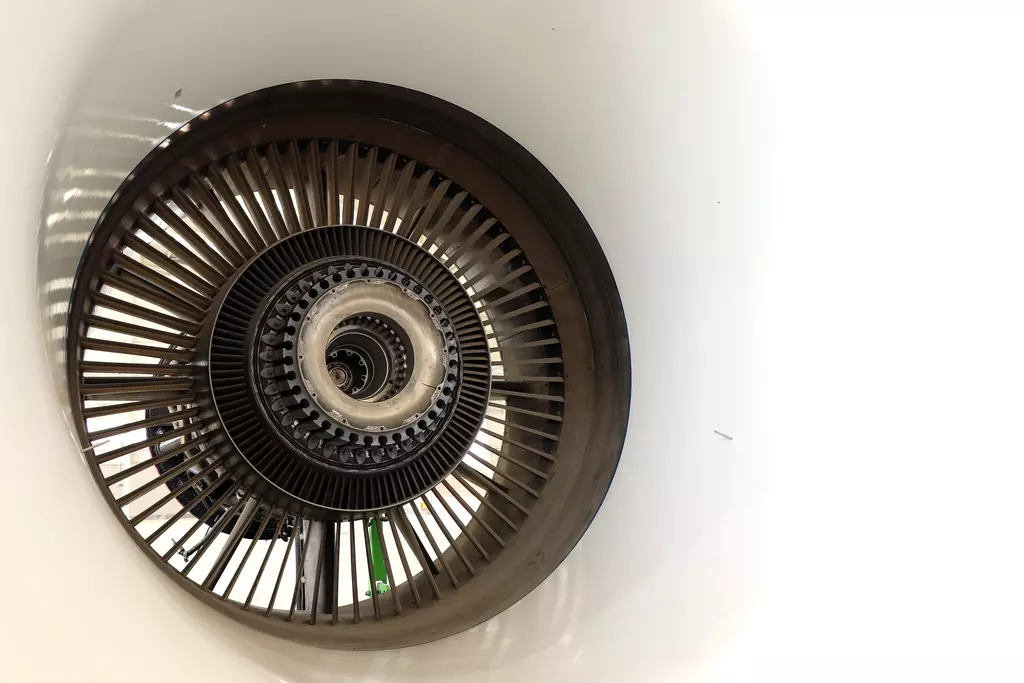
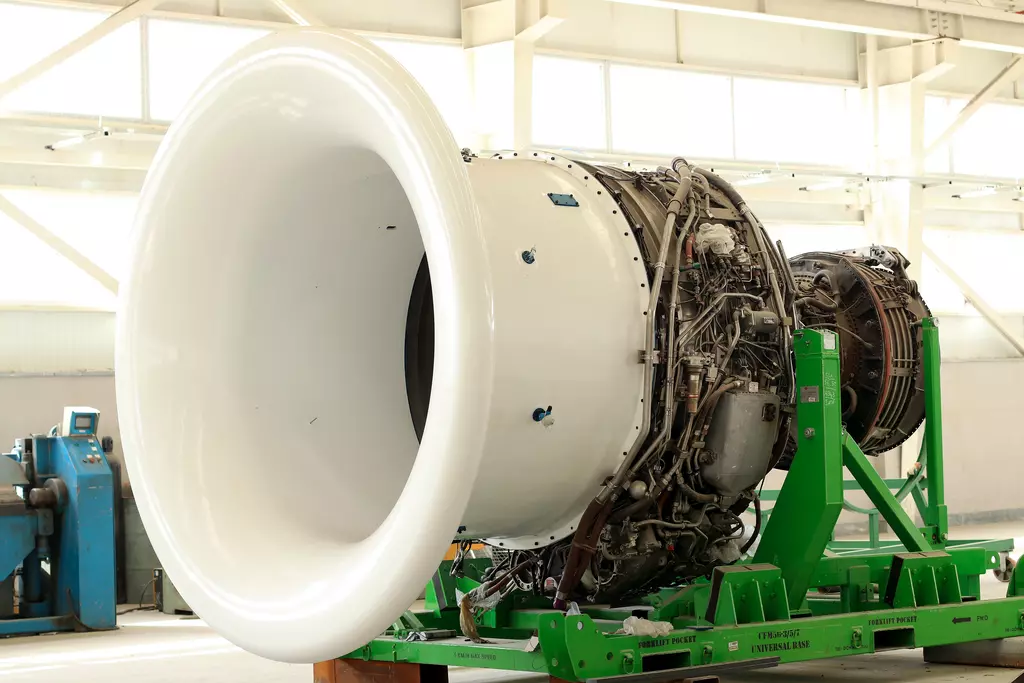
The "bellmouth" is a component found in turbine engines that serves as the inlet for air entering the engine. It is designed to guide the airflow smoothly and uniformly into the engine while minimizing dynamic pressure losses, thereby maximizing engine efficienc
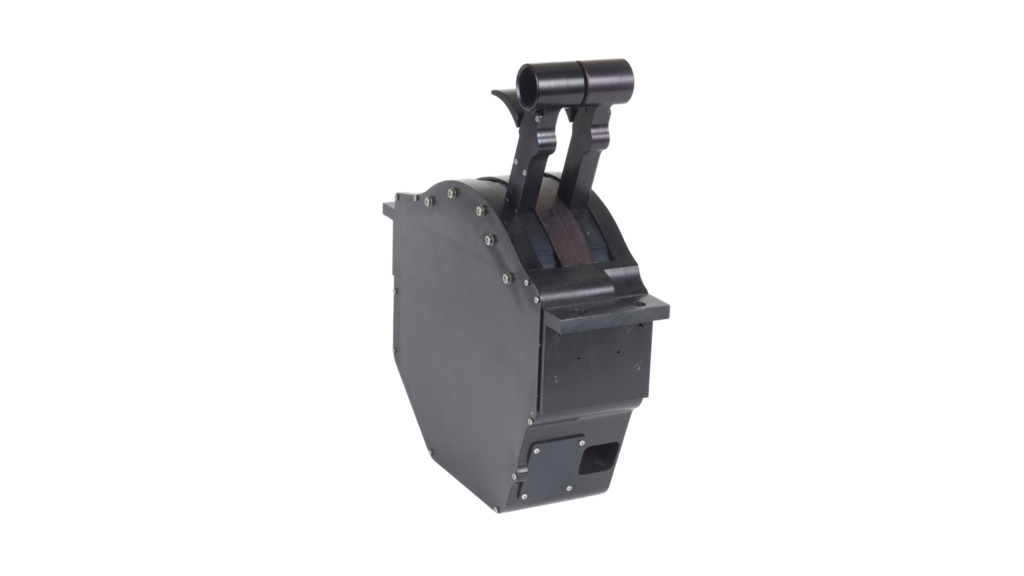
The "throttle" in an aircraft is a control device used by the pilot to manage the engine's power output. By adjusting the amount of fuel and air entering the engine, the throttle changes the engine's thrust or power, thereby controlling the speed and altitude of the aircraft.
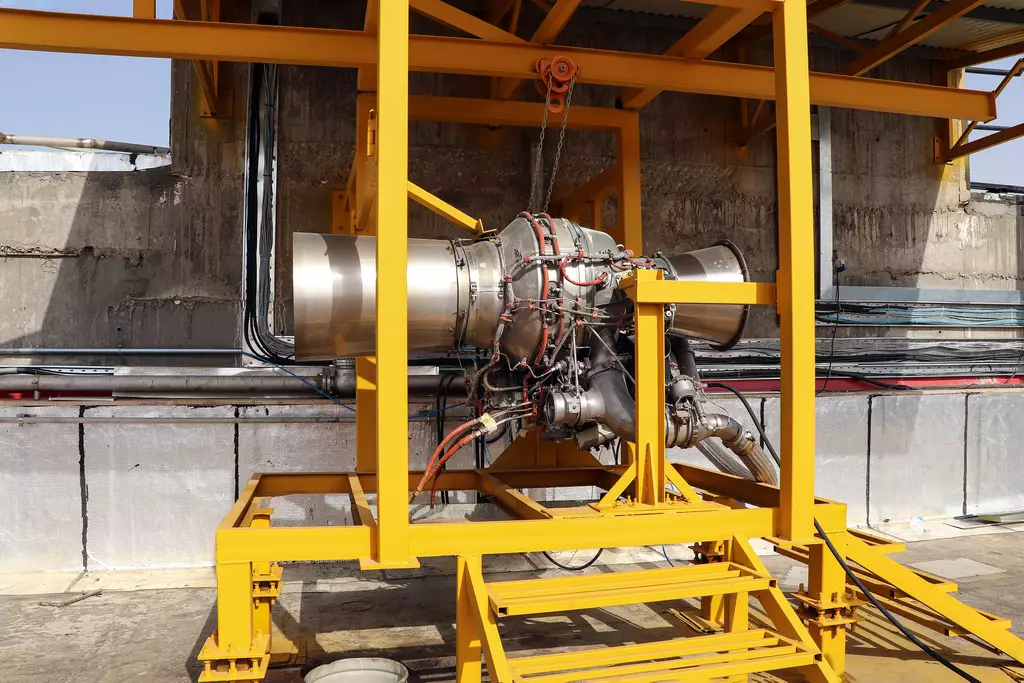
APU. An Auxiliary Power Unit (APU) is a small jet engine located typically in the tail section of an aircraft, which provides electrical and pneumatic power when the main engines are not running
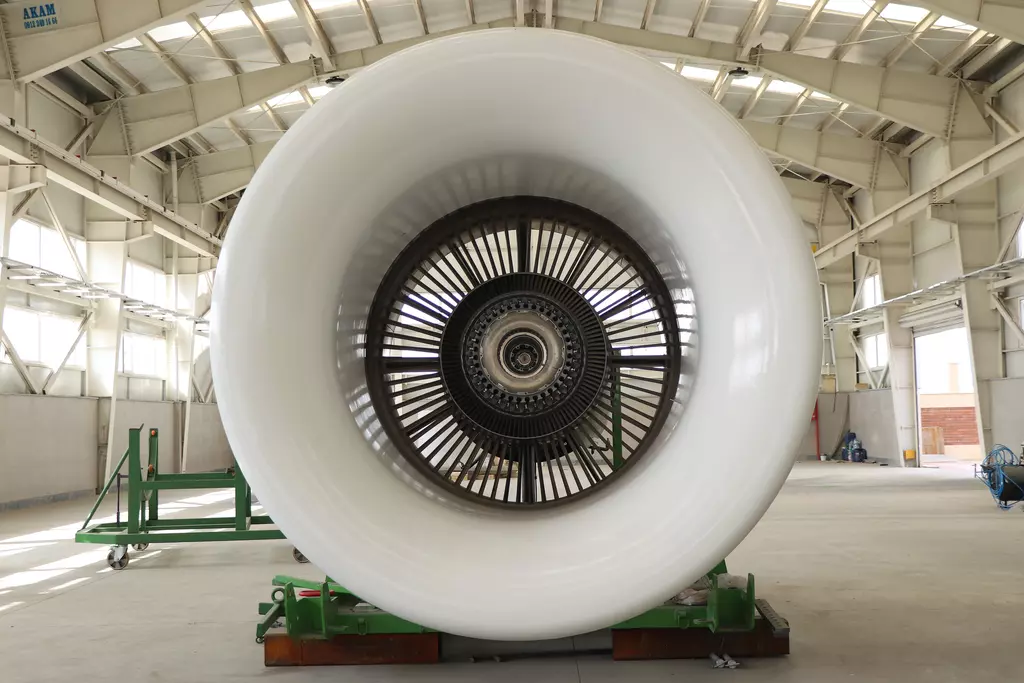
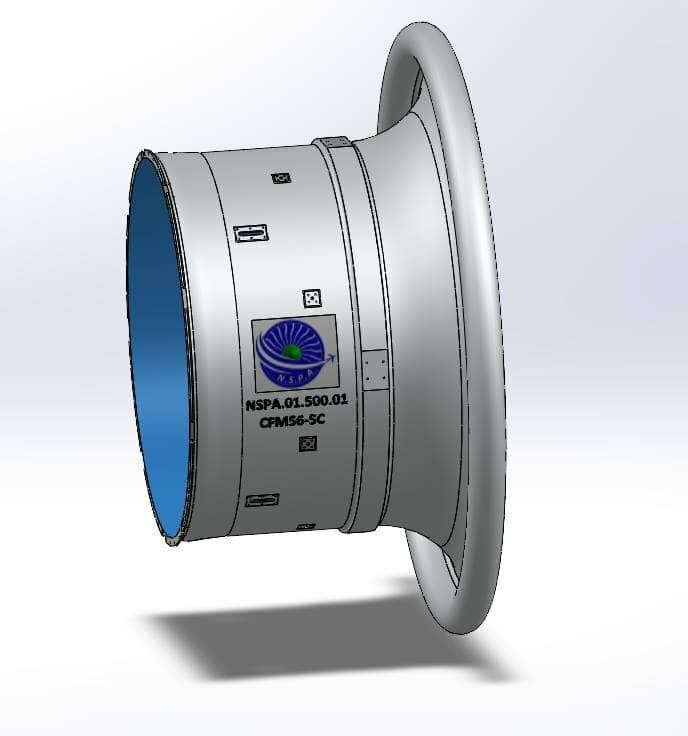
The "bellmouth" is a component found in turbine engines that serves as the inlet for air entering the engine. It is designed to guide the airflow smoothly and uniformly into the engine while minimizing dynamic pressure losses, thereby maximizing engine efficienc
Shape of the Inlet: The bellmouth typically has a wide, circular opening that gradually narrows as it extends inward. This design helps to minimize turbulence and ensure that the airflow enters the compressor evenly.
Pressure Loss Reduction: One of the primary functions of the bellmouth is to reduce pressure losses as air enters the engine. With its large, conical opening, the bellmouth gently slows down the incoming air, allowing it to flow smoothly into the compressor.
Efficiency Improvement: A well-designed bellmouth enhances the overall efficiency of the engine by providing a more organized and consistent airflow to the compressor. This leads to reduced fuel consumption and improved engine performance.
Use in Engine Testing: Bellmouths are often used in turbine engine testing, where controlled and undisturbed airflow into the engine is crucial for accurate performance evaluations.
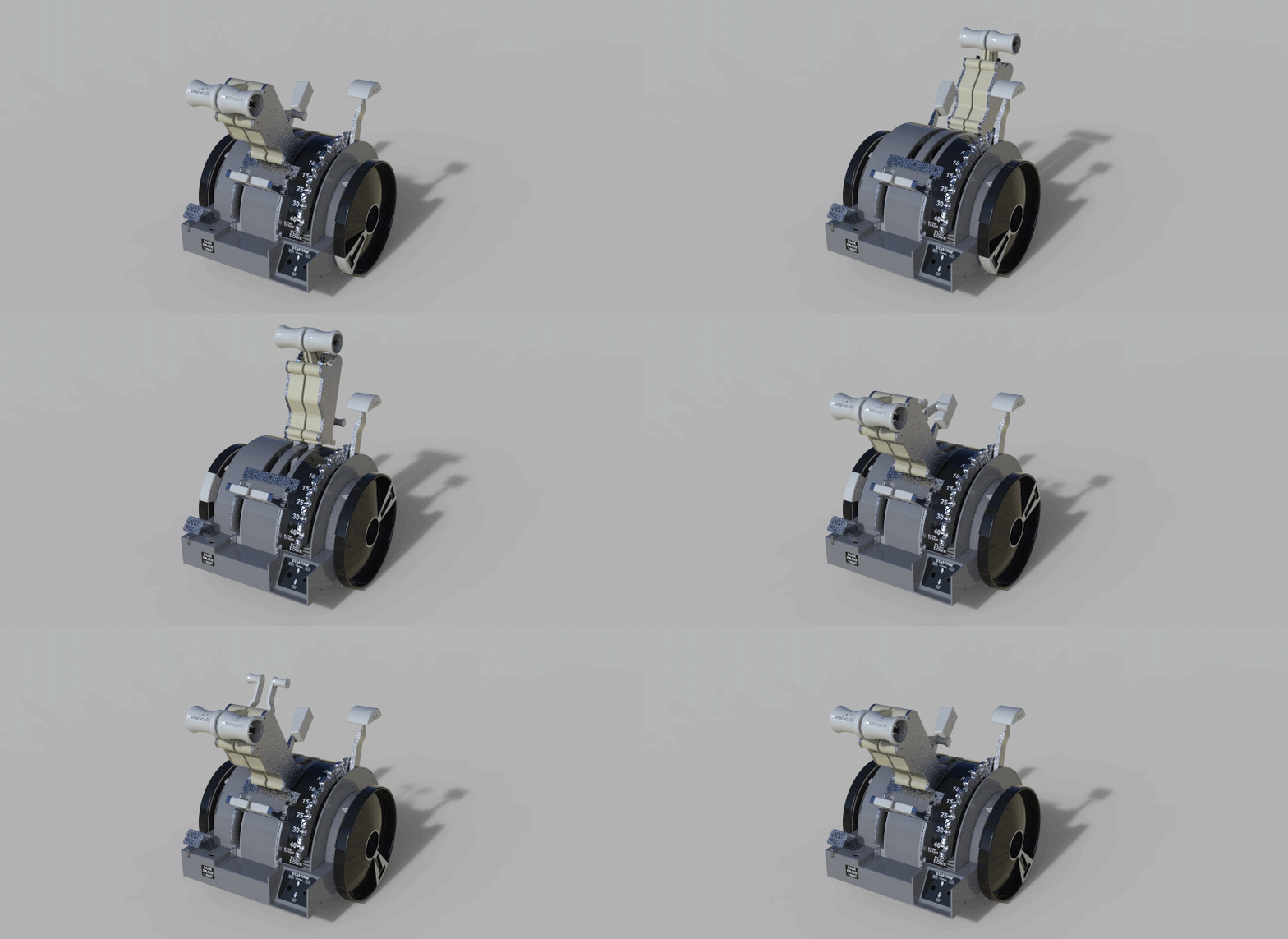
The "throttle" in an aircraft is a control device used by the pilot to manage the engine's power output. By adjusting the amount of fuel and air entering the engine, the throttle changes the engine's thrust or power, thereby controlling the speed and altitude of the aircraft.
How the Throttle Works
Engine Power Control: The throttle allows the pilot to regulate the amount of fuel entering the engine. Increasing the throttle adds more fuel, which increases the engine's power and accelerates the aircraft. Conversely, reducing the throttle decreases the engine's power, slowing the aircraft down.
Jet and Piston Engines: In jet aircraft, the throttle adjusts the airflow and fuel mixture for the turbine. In piston-engine aircraft, the throttle directly controls the amount of fuel and air entering the cylinders.
Speed and Altitude Control: The pilot uses the throttle to adjust the aircraft's speed during takeoff, climbing, cruising, and landing. For example, during takeoff, the pilot pushes the throttle forward to operate the engine at full power.
Quick Response: The throttle enables the pilot to quickly respond to changes in flight conditions, such as turbulence or the need to change altitude.